Modern vs Traditional Custom Homes: Which Style Is Right for You?
Modern vs Traditional Custom Homes: Which Style Is Right for You?
Choosing an architectural style for your custom home represents one of the most visible and impactful decisions you will make during the design process. The debate between modern and traditional home styles has intensified in recent years as contemporary architecture gains popularity while traditional styles maintain their enduring appeal. Understanding the characteristics, advantages, and considerations of each approach will help you select the style that best fits your aesthetic preferences, lifestyle needs, and long-term goals.
Defining Modern and Traditional Styles
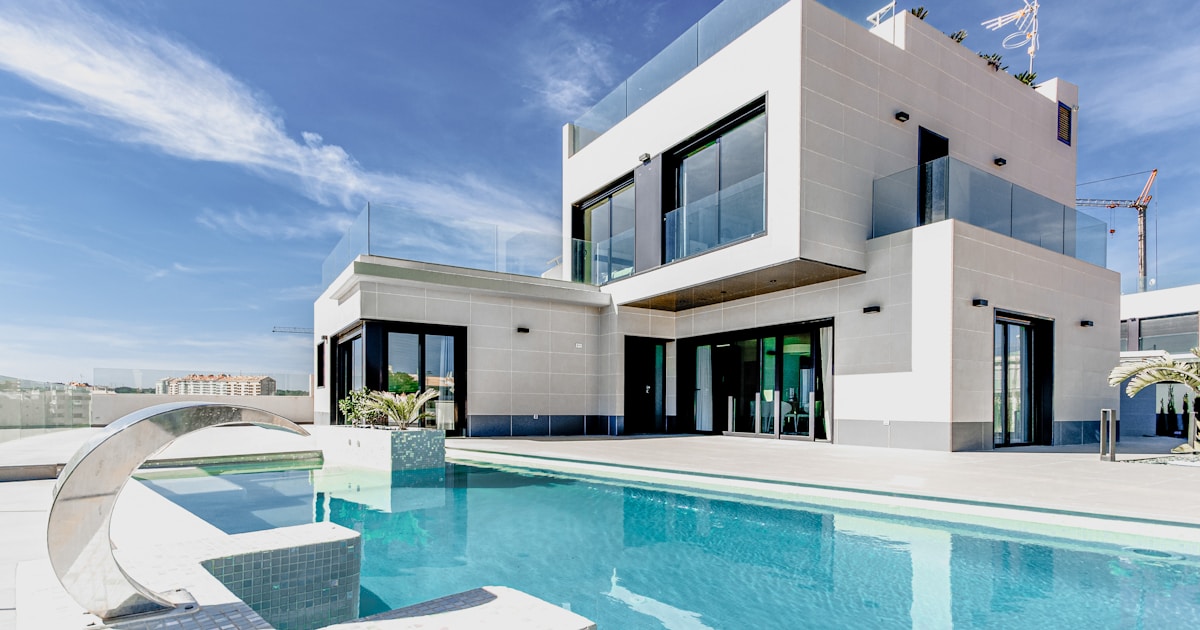
Modern architecture, often called contemporary architecture, emerged in the early 20th century and continues to evolve today. Modern homes emphasize clean lines, open floor plans, large windows, and minimal ornamentation. These homes celebrate simplicity, functionality, and connection to the outdoors through extensive glazing and indoor-outdoor living spaces. Materials such as steel, glass, concrete, and natural wood feature prominently in modern designs, often left exposed to showcase their inherent qualities.
Traditional architecture draws from historical styles that developed over centuries, including Colonial, Craftsman, Victorian, Tudor, and Mediterranean influences. These styles feature symmetrical facades, pitched roofs, decorative trim work, and distinct room separations. Traditional homes often incorporate familiar elements such as covered porches, shutters, brick or stone exteriors, and detailed woodwork that create a sense of warmth, permanence, and connection to architectural heritage.
Aesthetic Considerations
The visual impact of your home represents perhaps the most obvious difference between modern and traditional styles. Modern homes make bold architectural statements with their geometric forms, flat or low-slope roofs, and asymmetrical compositions. Large expanses of glass create dramatic views and flood interiors with natural light, while clean lines and minimal ornamentation allow the architecture itself to serve as the primary design element. The aesthetic appeals to those who appreciate simplicity, innovation, and forward-thinking design.
Traditional homes offer a more familiar, comfortable aesthetic that many find inherently welcoming. The symmetry, pitched roofs, and detailed trim work create visual interest through craftsmanship rather than stark minimalism. Traditional styles connect to architectural history and regional building traditions, often fitting more naturally into established neighborhoods. The aesthetic appeals to those who value timeless design, craftsmanship, and connection to architectural heritage.
Consider how your home will fit into its surroundings. A ultra-modern home in a neighborhood of traditional colonials may stand out dramatically, which could be either desirable or problematic depending on your perspective and local regulations. Conversely, a traditional home on a contemporary street might appear dated. Some homeowners embrace being different, while others prefer their homes to complement surrounding architecture.
Floor Plans and Space Utilization
Modern homes typically feature open floor plans that eliminate walls between living, dining, and kitchen areas. This approach creates flexible, multifunctional spaces that adapt to various activities and encourage family interaction. The openness also makes homes feel larger and allows natural light to penetrate deep into the interior. However, open plans can present challenges for noise control, privacy, and defining distinct functional zones.
Traditional homes generally incorporate more defined rooms with specific purposes. Formal living rooms, separate dining rooms, and enclosed kitchens create distinct spaces for different activities. This compartmentalization provides privacy, noise separation, and clear functional zones. However, traditional floor plans can feel choppy, limit natural light distribution, and seem outdated to those accustomed to contemporary living patterns.
Many homeowners now seek hybrid approaches that combine the best aspects of both styles. Semi-open floor plans maintain some separation between spaces while preserving sight lines and light flow. Pocket doors or sliding barn doors allow flexible space definition, closing off areas when privacy is desired while maintaining openness at other times. These compromises appeal to families who appreciate both the sociability of open plans and the functionality of defined rooms.
Natural Light and Indoor-Outdoor Connection
Modern architecture celebrates natural light through extensive glazing. Floor-to-ceiling windows, clerestory windows, and glass walls blur boundaries between interior and exterior spaces. This approach creates bright, airy interiors with strong connections to outdoor environments. Large sliding glass doors open entire walls to patios or decks, extending living space outdoors. The emphasis on natural light reduces energy consumption during daytime hours and creates uplifting, healthy living environments.
Traditional homes typically feature smaller, more traditionally proportioned windows that align with historical precedents. While this approach may admit less natural light than modern designs, it often provides better energy efficiency in extreme climates and creates cozier, more intimate interiors. Traditional homes can still incorporate abundant windows, but they are typically divided into multiple panes and distributed across facades in balanced, symmetrical patterns.
The indoor-outdoor connection differs significantly between styles. Modern homes often feature seamless transitions to outdoor living areas through large sliding doors and level thresholds. Covered outdoor spaces extend the modern aesthetic outside with clean-lined pergolas or flat-roofed overhangs. Traditional homes typically connect to outdoors through covered porches, decks, or patios that maintain distinct separation between interior and exterior while still providing outdoor living space.
Materials and Construction Methods
Modern homes showcase materials in their natural state, celebrating the inherent beauty of wood grain, concrete texture, or steel finishes. Exterior materials often include smooth stucco, metal panels, large-format siding, extensive glass, and natural wood or composite cladding. The material palette typically remains limited and carefully curated, with each material serving both functional and aesthetic purposes. Exposed structural elements such as steel beams or concrete walls become design features rather than elements to be concealed.
Traditional homes employ materials that reference historical building methods and regional traditions. Brick, stone, wood siding, and composite materials that mimic traditional appearances dominate exterior palettes. Decorative elements such as trim boards, shutters, and architectural details add visual interest and craftsmanship. Interior finishes often include crown molding, wainscoting, and detailed woodwork that showcase traditional craftsmanship.
Construction costs can vary significantly based on material choices within each style. Modern homes with extensive custom glass, steel elements, or complex geometric forms can become quite expensive. However, simple modern designs with straightforward geometries and standard materials may cost less than traditional homes requiring extensive trim work and architectural details. Traditional homes with brick or stone exteriors and detailed interior millwork typically cost more than basic frame construction with simple finishes.
Energy Efficiency and Sustainability
Modern architecture often incorporates energy-efficient features as core design elements. Large south-facing windows capture passive solar heat in winter, while overhangs block high summer sun. High-performance glazing, continuous insulation, and tight building envelopes minimize energy consumption. Many modern homes integrate sustainable features such as solar panels, rainwater collection, and geothermal heating naturally into their designs without compromising aesthetics.
Traditional homes can certainly achieve high energy efficiency, though it may require more careful planning to integrate modern performance features without compromising traditional aesthetics. Historic building methods often included passive cooling strategies such as deep porches, operable windows for cross-ventilation, and thermal mass from brick or stone construction. Modern traditional homes can combine these time-tested approaches with contemporary insulation, high-performance windows, and efficient mechanical systems.
The key to energy efficiency in either style lies in proper design and construction rather than architectural aesthetic. A poorly designed modern home with excessive glazing and inadequate shading can perform worse than a well-designed traditional home with appropriate window sizing and quality insulation. Work with knowledgeable architects and builders who prioritize performance regardless of stylistic preferences.
Maintenance and Longevity
Maintenance requirements vary based on specific material choices rather than architectural style alone. Modern homes with metal roofs, fiber cement siding, and durable window systems can require minimal maintenance over decades. However, extensive glazing requires regular cleaning, and some modern materials such as smooth stucco or metal panels may show wear or weathering more obviously than textured traditional materials.
Traditional homes with quality materials and proper construction can last centuries, as evidenced by historic homes throughout the country. However, traditional details such as decorative trim, shutters, and complex roof lines create more surfaces requiring painting and maintenance. Wood siding, while beautiful, requires more upkeep than modern alternatives such as fiber cement or metal panels.
Consider your willingness and ability to perform ongoing maintenance when selecting materials and details. If you prefer minimal maintenance, choose durable, low-maintenance materials regardless of style. Both modern and traditional homes can incorporate materials that minimize upkeep while maintaining their respective aesthetic characters.
Resale Value and Market Appeal
Resale considerations often influence style decisions, though predicting future market preferences remains challenging. In many markets, traditional styles maintain broader appeal and may sell more quickly to a larger pool of potential buyers. The familiarity and timelessness of traditional architecture appeals to conservative buyers and those seeking homes that fit established neighborhood character.
Modern homes appeal strongly to design-conscious buyers and those seeking contemporary living spaces, though the potential buyer pool may be smaller in some markets. However, well-designed modern homes often command premium prices from buyers specifically seeking contemporary architecture. In progressive markets and urban areas, modern homes may actually enjoy advantages over traditional styles.
The quality of design and execution matters more than style alone for resale value. A beautifully designed and well-built home in either style will typically sell well, while poorly executed homes struggle regardless of architectural approach. Focus on creating a home that serves your needs and reflects your aesthetic preferences rather than trying to predict future market trends.
Making Your Decision
Choosing between modern and traditional styles ultimately comes down to personal preference, lifestyle needs, and long-term goals. Consider which aesthetic resonates with you emotionally. Your home should reflect your personality and provide an environment where you feel comfortable and inspired. Visit homes in both styles, study architectural magazines and websites, and pay attention to which designs consistently appeal to you.
Evaluate how each style supports your lifestyle. If you entertain frequently and prefer open, flowing spaces, modern open floor plans may serve you better. If you value privacy, defined rooms, and traditional entertaining patterns, traditional layouts might suit you better. Consider your family's needs for the next decade or more, as your home should accommodate changing requirements over time.
Think about your lot and surroundings. Some sites naturally suit certain architectural styles. A wooded lot with views might showcase a modern home with extensive glazing, while a traditional neighborhood street might call for architecture that complements surrounding homes. Work with your architect to develop designs that respond appropriately to site conditions and context.
Remember that hybrid approaches can combine elements of both styles. Many successful custom homes incorporate modern open floor plans and large windows within traditional exterior forms, or use modern materials and clean lines while maintaining traditional proportions and symmetry. These transitional designs appeal to homeowners who appreciate aspects of both modern and traditional architecture.
Working With Your Design Team
Communicate your stylistic preferences clearly to your architect and builder from the beginning. Share images of homes you admire, discuss specific features you want to incorporate, and explain what appeals to you about different styles. Good architects can translate your preferences into cohesive designs that serve your needs while expressing your aesthetic vision.
Be open to your architect's suggestions and expertise. Experienced designers understand how to create successful homes in various styles and can guide you toward decisions that enhance both aesthetics and functionality. They can also help you avoid common pitfalls and create designs that will age well and maintain their appeal over time.
The choice between modern and traditional architecture represents a deeply personal decision that will shape your daily living experience for years to come. By understanding the characteristics, advantages, and considerations of each approach, you can make an informed decision that results in a custom home perfectly suited to your needs, preferences, and vision for your ideal living environment.